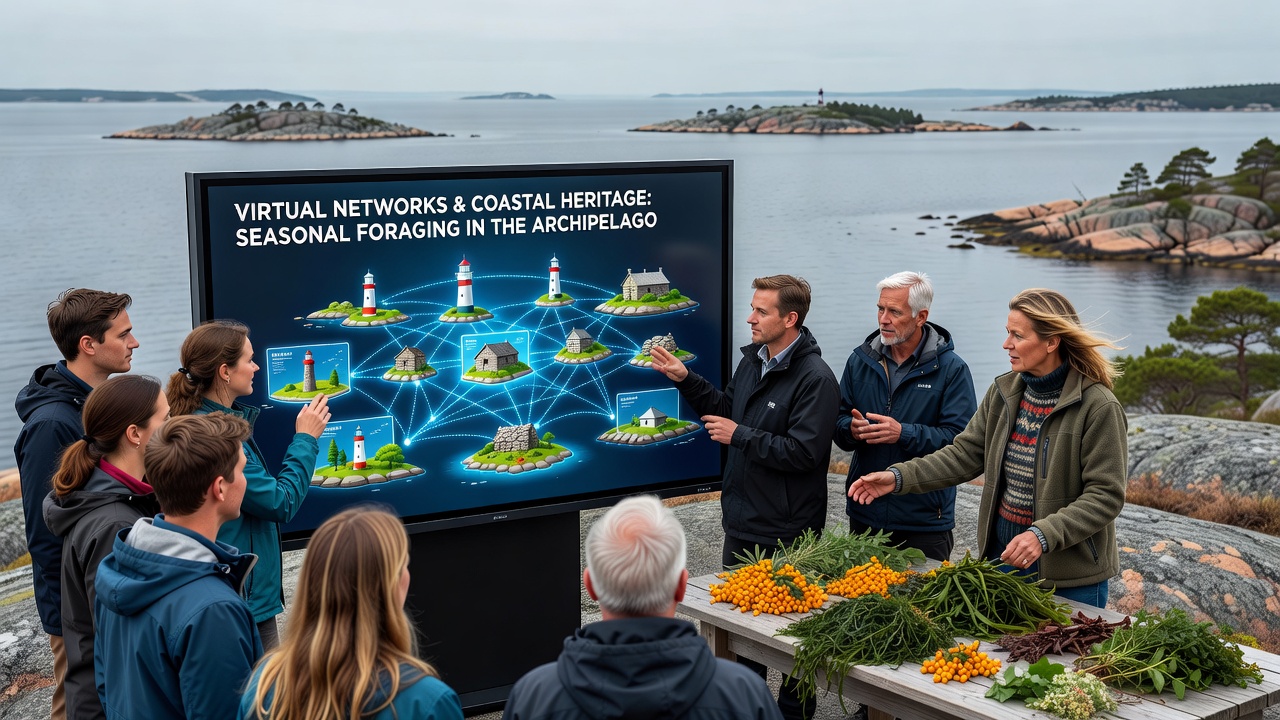
Virtual Networks Bridge Sweden's Coastal Heritage Sites and Archipelago Foraging Workshops
Sweden's coastal heritage sites along the archipelago have long preserved stories of maritime trade, fishing villages, and traditional resource use, yet seasonal foraging workshops now draw participants through digital platforms that map locations, schedules, and skill-sharing opportunities across scattered island communities. These virtual networks operate via apps, online calendars, and interactive maps that connect users directly to sites such as the lighthouses of the Stockholm archipelago or the boathouses of Bohuslän, where heritage structures serve as both landmarks and venues for hands-on sessions on edible plants and marine resources. Data from regional tourism records shows that participation in these combined experiences has grown steadily since digital booking systems expanded in the early 2020s, allowing organizers to coordinate events around low-impact seasons when berry and seaweed harvests peak.
Mapping Heritage Locations Through Digital Platforms
Coastal heritage sites function as fixed points in virtual systems that overlay historical data with real-time foraging availability, so users can search for a 19th-century fishing station and immediately view linked workshops on nearby kelp collection or wild herb identification. The Swedish National Heritage Board maintains open digital archives that feed into these networks, providing verified coordinates and background on each structure while community groups upload workshop details through shared portals. Observers note that this integration reduces travel friction for visitors who arrive by ferry, because route planners within the apps account for tidal schedules and heritage site opening hours in a single interface.
Seasonal Foraging Workshops Tied to Island Communities
Foraging workshops in the archipelago communities run primarily from late spring through early autumn, with peak activity in August when elderflower, chanterelles, and sea aster reach optimal harvest times, and virtual networks advertise these dates months ahead through automated alerts sent to registered users. Participants learn techniques for sustainable gathering around historic sites, such as the old smokehouses on Utö or the pilot stations near Marstrand, where instructors demonstrate preservation methods that echo traditional practices documented in local records. Research indicates that these sessions often incorporate virtual reality previews of island terrain, letting people preview terrain difficulty before committing to travel, which in turn supports smaller communities that rely on seasonal income without large marketing budgets.
Role of Online Communities and Booking Systems
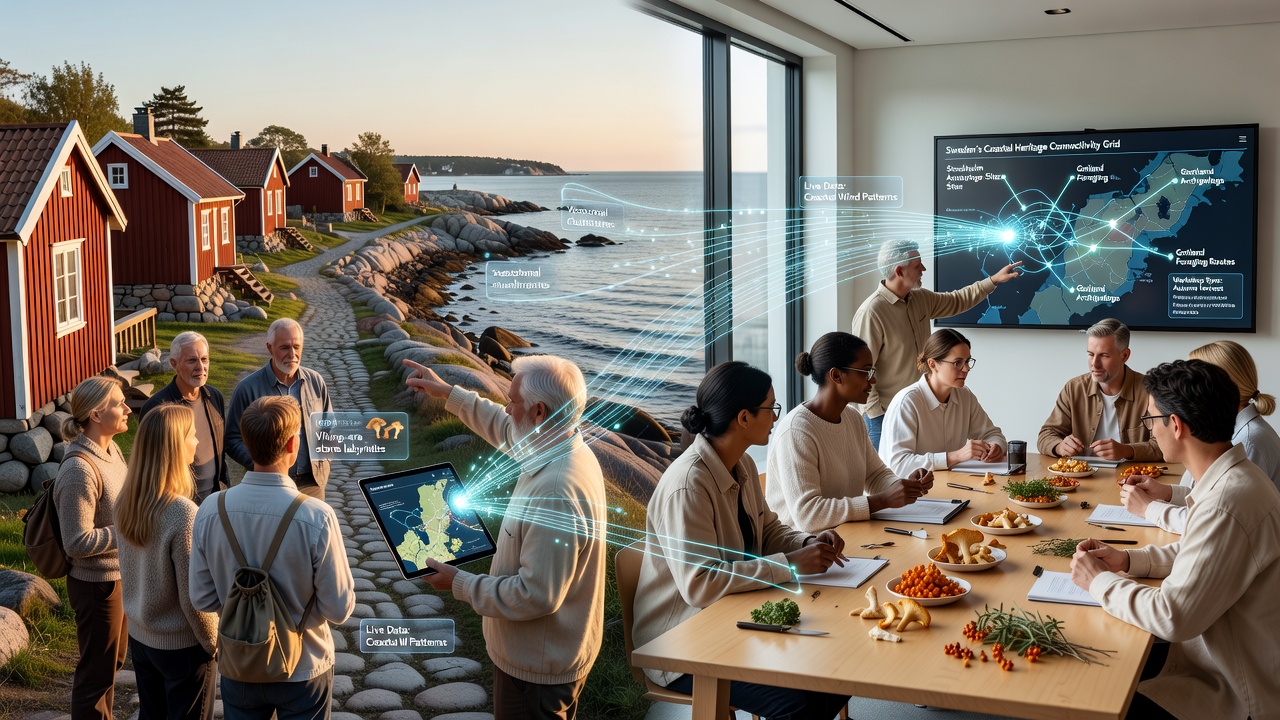
Online forums and booking platforms serve as the connective tissue, enabling archipelago residents to list workshops while heritage organizations contribute verified site information that appears in the same search results, so a traveler planning an August 2026 visit can filter by both cultural significance and available foraging dates. These systems track participant numbers and site capacity through centralized dashboards, preventing overcrowding at fragile locations like the wooden piers of the southern archipelago, and they automatically adjust recommendations based on weather data feeds from teh Swedish Meteorological and Hydrological Institute. People who've joined multiple sessions often discover that cross-promotion happens naturally when one workshop host shares links to another community's event, building a web of referrals that keeps attendance distributed across islands rather than concentrated at major hubs.
Technical Infrastructure Supporting Connections
Virtual networks rely on GPS-enabled apps and web portals that merge heritage databases with seasonal calendars, allowing real-time updates when a particular island reports abundant cloudberries or when a historic site closes for maintenance. European Commission reports on digital cultural heritage highlight how such layered mapping improves access for remote communities, and similar approaches appear in studies from the University of British Columbia on coastal tourism networks that link preservation with experiential learning. The infrastructure handles multilingual interfaces to accommodate international visitors, while local groups retain control over content moderation to ensure foraging guidelines respect both ecological limits and cultural protocols tied to each heritage site.
Examples of Integrated Experiences
One documented case involves the Koster Islands, where virtual platforms connect the marine heritage museum with workshops on edible seaweed, and participants book through a single portal that also supplies tide tables and ferry timetables. Another pattern appears around the Blekinge archipelago, where digital alerts notify users when historic fishing villages open foraging trails that pass restored boathouses, creating routes that combine education on traditional net-mending with identification of coastal plants. These examples illustrate how the networks function without requiring physical travel between every location, since virtual previews and shared photo archives let organizers build continuity across separate events.
Future Developments Anticipated for 2026
By August 2026, updates to the virtual networks are expected to include enhanced satellite imagery overlays and expanded user-generated content filters, allowing more precise matching between heritage site visits and foraging opportunities based on user skill level and group size. Regional authorities continue to test integrations with public transport apps, so journey planning from mainland hubs to island workshops becomes seamless, and preliminary figures from pilot programs show reduced no-show rates when reminders include heritage context alongside practical details.
Conclusion
Virtual networks have established direct operational links between Sweden's coastal heritage sites and seasonal foraging workshops by combining verified location data, community calendars, and real-time environmental information into unified platforms that serve both visitors and archipelago residents. These systems continue to evolve through technical refinements and cross-organizational data sharing, maintaining focus on sustainable access to both cultural landmarks and natural resources across the islands.