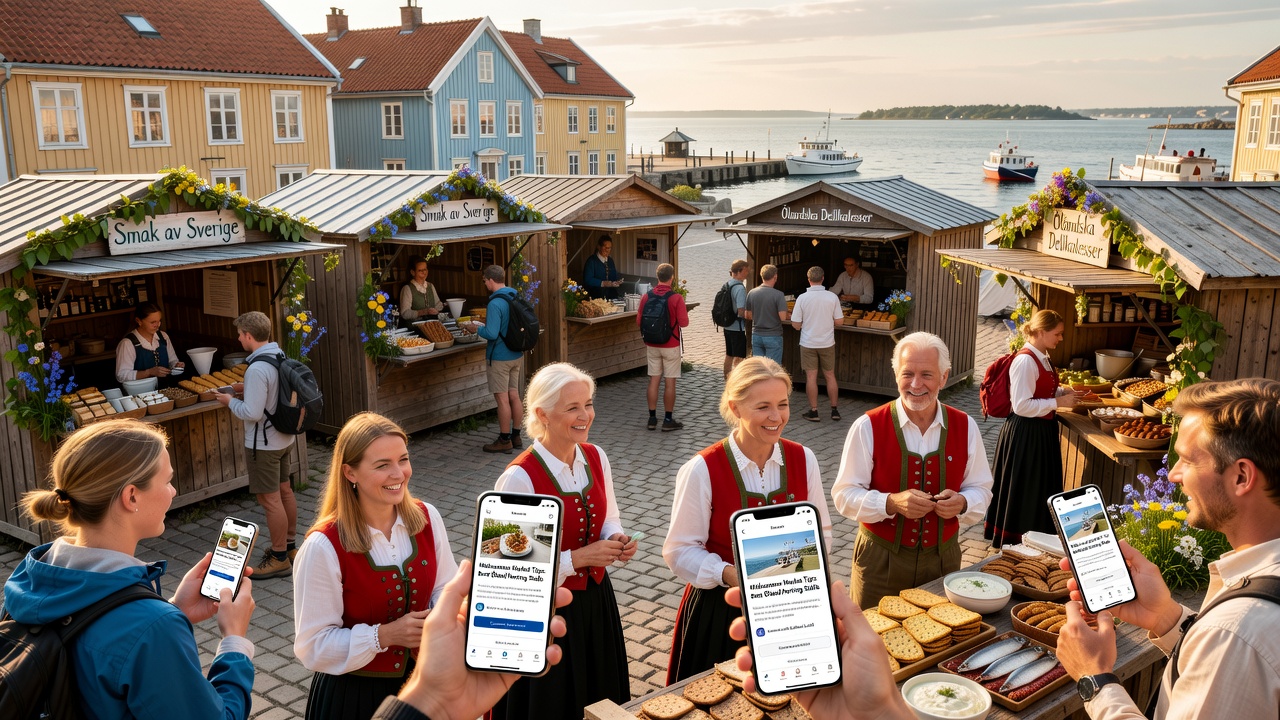
Sweden's Midsummer Markets: Tracing How Digital Forums Link Travelers to Regional Food Traditions and Island Communities
Sweden's Midsummer celebrations center on markets that bring together local producers, island residents, and visitors seeking authentic food experiences, and digital forums have become central to how these connections form each year. Platforms ranging from regional Facebook groups to specialized travel discussion boards allow users to share details about market locations, specific vendors, and seasonal offerings that highlight everything from smoked fish to berry-based preserves. Data from tourism reports indicate that participation in these online spaces has grown steadily, with many travelers reporting they first learned about smaller island events through forum threads rather than official brochures.
Digital Forums as Connectors
Observers note that forums function as clearinghouses where island communities post updates on what will be available at Midsummer stalls, including details about heritage varieties of potatoes or cheeses produced on specific farms. Travelers in turn describe their plans, ask for recommendations on transport to remote islands, and arrange informal meetups that extend beyond the market day itself. This exchange creates direct pathways that route people toward lesser-known sites rather than the larger mainland gatherings. Research conducted by European tourism analysts shows that such online coordination accounts for a measurable portion of attendance at island-based Midsummer events, particularly those in the Stockholm archipelago and along the west coast.
Regional Food Traditions on Display
Markets at Midsummer feature an array of regional specialties that reflect local agriculture and fishing practices, and forum users frequently compile lists that map these offerings to their places of origin. In Bohuslän, for example, stalls emphasize fresh shellfish and rye flatbreads baked according to longstanding recipes, while Gotland producers highlight saffron-infused treats and lamb products from island pastures. Forum participants share photographs and descriptions that help others identify which vendors maintain traditional methods versus those offering more commercial versions. According to figures released by the Swedish Agency for Economic and Regional Growth, food-related tourism has increased on several islands since online communities began systematically documenting these distinctions.
Travelers who follow forum threads often arrive prepared with questions about sourcing or preservation techniques, which in turn prompts producers to expand their explanations during market interactions. This cycle reinforces the transmission of knowledge about seasonal ingredients and preparation styles that might otherwise remain confined to local households.
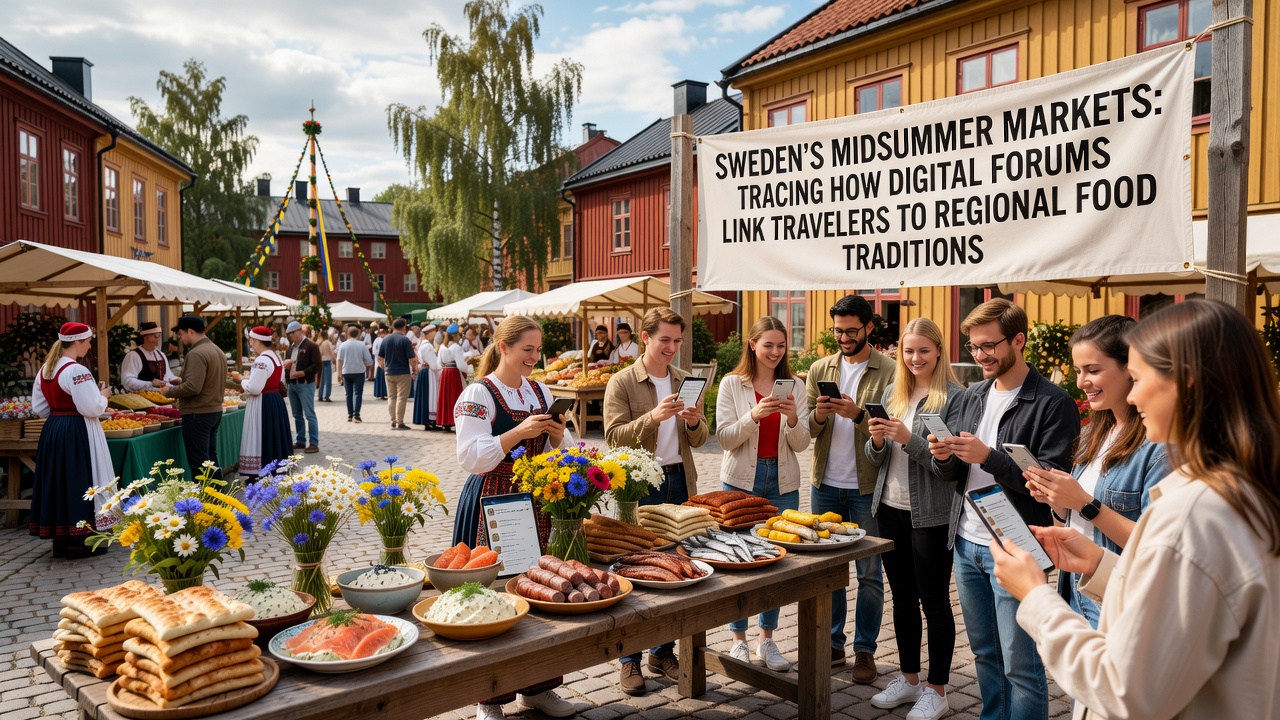
Island Communities and Visitor Flows
Small island populations have integrated forum activity into their planning for Midsummer markets, using the same channels to coordinate logistics such as ferry schedules and temporary vendor permits. Residents of islands like Utö and Sandhamn post announcements that reach audiences far beyond their immediate networks, resulting in higher numbers of day visitors who come specifically for food tastings and demonstrations. A study published by the Nordic Council of Ministers found that islands with active digital outreach saw steadier attendance patterns compared with those relying solely on printed materials or word of mouth.
Forum moderation often falls to local volunteers who verify details about food authenticity and market rules, which helps maintain trust among both residents and outsiders. These efforts reduce instances of mismatched expectations, such as travelers arriving for items that are not actually produced on that particular island. Over time the practice has created a feedback loop where communities refine their offerings based on recurring questions and comments that appear online.
Tracing Specific Linkages
One documented pattern involves forum users compiling itineraries that combine multiple island markets over consecutive days, linking ferry routes with specific producers known for rare varieties of herring or cloudberry jam. These shared plans circulate widely, drawing participants who might not have considered multi-island travel otherwise. Statistics compiled by the European Travel Commission indicate that cultural food events in Scandinavia attract a growing share of international visitors who cite online research as their primary planning tool.
Island producers have responded by creating dedicated sub-threads where they answer questions about dietary adaptations or packaging for travel, further embedding digital communication into the physical market experience. The result is a network in which information about regional traditions moves from isolated communities into broader traveler awareness with minimal delay.
Conclusion
Digital forums continue to shape how Midsummer markets operate by serving as the initial point of contact between island communities and travelers interested in regional foods. The documented increase in coordinated visits and the detailed exchanges about traditional products demonstrate measurable effects on both attendance and knowledge transfer. As these platforms evolve, the patterns observed in Sweden's island settings offer concrete examples of how online spaces support the continuation of seasonal food practices across dispersed geographic locations.